Monday, March 14, 2011

Views from MLSC islands

Japan has suffered a terrible earthquake and tsunami. Our sincere condolences to those who are trying to recover and restore a semblance of peace.
________________________________

I recently traveled to MLSC offices in Majuro and Ebeye (in the Republic of the Marshall Islands) and Pohnpei (in the Federated States of Micronesia). The purpose of my trip was to conduct a follow-up training on using Prime (the Kemp's case management system). Our MLSC tech, Ekeziel (Bong) Robles, handled the heavy work, addressing both hardware and software issues and working late into the night on all islands. My job was to give some simple demonstrations of using the system and then be available to answer questions during a hands-on practicum.

There are no daily flights into and out of the islands, so our time at each place was dictated in large part by the flight schedules. This meant a bit of time in Majuro, very little time in Ebeye, and mostly the weekend and Monday in Pohnpei. The Majuro staff gave up a state holiday in remembrance of nuclear testing victims to attend the training session. The Ebeye staff had the two days of training crammed into a day-and-a-half. The Pohnpei staff came in on Sunday for the bulk of their training.

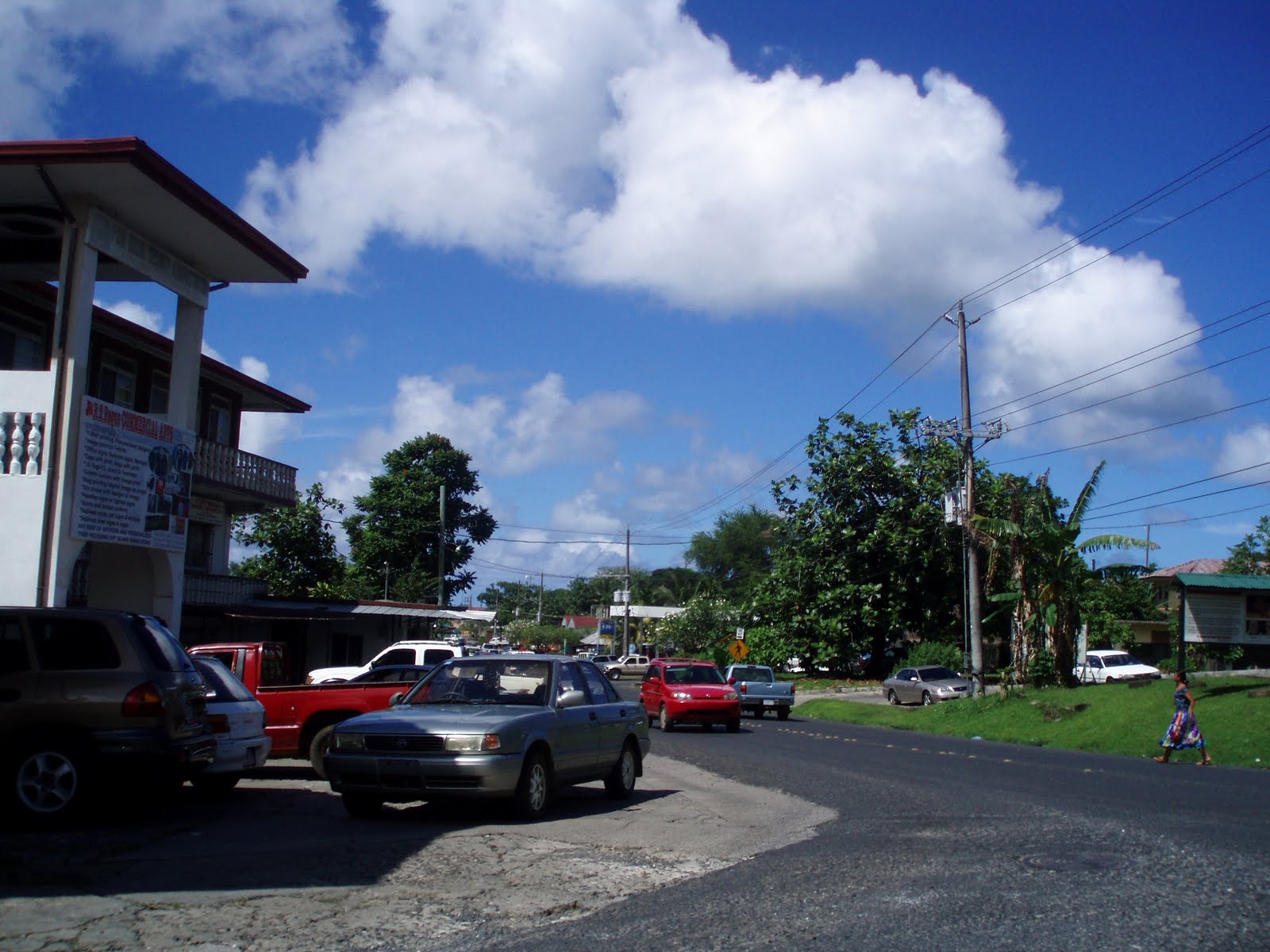
I had a little time in both Majuro and Pohnpei to take some photos, and got just a tiny glimpse of Ebeye through the lens.

These are not in any particular order...

on the way home--from the Chuuk airport

this plane was grounded and we had a 6 hour "wait"


Ebeye

on the ferry from Kwajalein to Ebeye


views from the ferry arriving at Ebeye


Room at An Roshi hotel


view from the hotel balcony


Majuro


views from Rita (the northern end of Majuro)


baseball in Laura (the southern end of Majuro)


Bong at Laura park


gate keeper to the end of Laura


Manase and Bong at Laura


Japanese Peace Park


roadside vendor selling kelaguen-style tiny sand-crab meat


an example of the ever-present mural work in Majuro


view from the hotel shore


seating at hotel waterfront


the hotel


the hotel's extension where we stayed


Majuro office staff with Bong


Majuro Office Staff: Bob Katz, Talofou Manase, Roseann, Sunny Beero, Melanie, Wagner Joash, Ben Kilawe


Pohnpei

MLSC office in Pohnpei


Another Ben


Danally


Edwina and Sal


Susin


Ben, Erwine and Bong setting up for training


Bong during the training, dealing with tech issues


Edwina and Susin during training


Pohnpei scenic


at The Village (for lunch)


The Village


Tino, Ben and Bong


view from the airport "departure lounge"

Tuesday, February 22, 2011

Orders to Seek Work in Debt Cases--NOT!

The CNMI Supreme Court ruled today that the CNMI laws do not permit the Superior Court to order unemployed judgment debtors to seek work.

The case, Marianas Eye Institute v. Pitness Moses, 2011 MP 1, involved a Chuukese man who worked for six years in the garment industry and then lost his job when the industry left the islands. He has been unemployed ever since. While unemployed, he was bushcutting and something flew into his eye, so he sought help at the Commonwealth Health Center. The CHC referred him to Dr. Khorram's clinic, the Marianas Eye Institute. Neither Moses nor the clinic inquired about how Moses would pay--he assumed that the same assistance program offered by the hospital to FSM citizens (the MIAP program) would cover him at the private clinic. It didn't. He ended up with a $300+ debt that he couldn't afford.

Attorney Mike White represented MEI in a collection case and Moses stipulated to a judgment. In post-judgment proceedings, MEI agreed with Moses that he had no income or assets from which he could pay. MEI asked the court to order Moses to get a job. Failure to comply with such a court order could result in civil contempt and jail.

Moses had been looking for work already for years, without success. The work situation in the CNMI is difficult, with few jobs and a near-death economy. Despite his efforts, he had not found work.

Moses objected to the order because it was futile, and he would face jail time if he didn't comply exactly with the court's demands. In other cases, we have seen the court continue to increase its demands so that unemployed debtors are required to submit more and more applications every week; and in order to avoid the potential for jail the debtors resort to submitting useless paperwork to businesses who are not even looking for employees. The court also typically requires the debtors to report back in frequent periodic hearings, which clog the docket and often lead judges into the temptation to give tongue-lashings and verbal reprimands simply because of the debtor's continued poverty and unemployment.

The CNMI Supreme Court examined all prior appellate cases in the CNMI and looked at cases from Guam, Illinois, and other jurisdictions. In the end, the court was convinced that the CNMI statute, which allows the court to order "payments," did not expressly authorize the court to order job searches as a means of enforcing ordinary judgment debts.

The CNMI Supreme Court also said that, once the Superior Court found that there were no income or assets from which payment could be made, it could not make any order in aid of judgment.

This small victory will provide enormous relief to many people who are currently in dire economic conditions, without work but owing debt.